Photo: Freepik
When making bread, we need to let the dough rest for a while before baking. This process is known as proofing and aims to make the bread rise perfectly and become soft. This article will discuss proofing, factors affecting it, and tips for a successful process.
What is Proofing?
Proofing is a fermentation process to activate yeast after kneading and shaping the dough. Yeast acts as a leavening agent, utilizing sugar and starch in the dough to produce carbon dioxide gas. This gas causes the gluten in the flour to stretch and create air pockets, thus making the bread rise. During proofing, the dough can double in size, resulting in a soft texture.
Proofing is divided into two main stages: bulk fermentation (first proofing) and final proofing (last proofing). In bulk fermentation, the dough is left to rise for some time after all ingredients are mixed and the dough becomes elastic and cohesive. This stage helps develop gluten and enriches the bread’s flavor.
After bulk fermentation, the dough is shaped and then allowed to proof again in the final proofing stage. This process generally takes longer than the first proofing. Once the bread has doubled in size, it is ready to be baked.
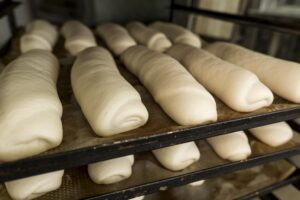
Photo: Freepik
Factors Affecting Proofing
One key factor affecting proofing success is temperature. Yeast thrives in warm environments, so the warmer it is, the faster the dough will rise. However, excessively high temperatures can kill the yeast, whereas too cold temperatures will slow down fermentation.
Humidity is also crucial. Too low humidity can dry out the dough and cause it to crack, while too high humidity can make the dough sticky and wet.
Additionally, dough quality, such as gluten strength and sugar content, can affect proofing. Dough with strong gluten and sufficient sugar content will rise better.
Photo: Pexels
Tips for Successful Proofing
Using a proofing box (proofer) is beneficial as it helps control temperature and humidity. However, proofing can also be done at room temperature. In this case, make sure to cover the dough with a damp cloth or plastic to maintain humidity.
Knowing when the dough is ready for baking is crucial. Signs that the dough is ready include nearly doubling in size and slowly springing back when pressed.
Moreover, using high-quality, high-protein flour is essential. Such flour contains high gluten levels, making the dough easier to rise and resulting in bread with a soft texture.