
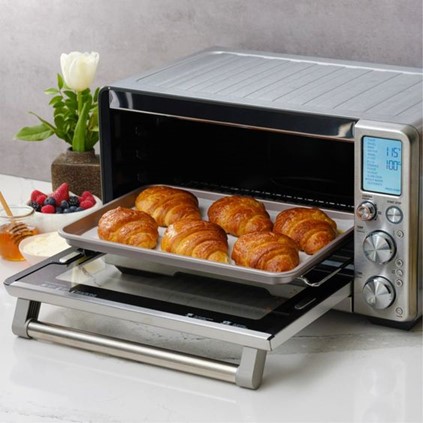
Have you ever wondered why your homemade bread never looks or tastes as good as the bread sold at bakeries? One reason lies in the baking temperature. The right temperature will yield bread with a crispy crust, a soft crumb, and a golden-brown surface.
So, what is the correct temperature for baking bread? The answer varies, as it depends on the type of bread you’re baking. For example, bread with low-fat dough, like plain white bread, is baked at 190-210 degrees Celsius. Keep reading to learn the baking temperatures for different types of bread!
The Importance of Temperature in Bread Baking
When baking bread, temperature not only determines how quickly the bread cooks but also affects its texture, color, and taste. A temperature that’s too low can make the bread dense, while a temperature that’s too high can burn the outside before the inside is fully baked.
The Right Baking Temperature for Different Types of Bread
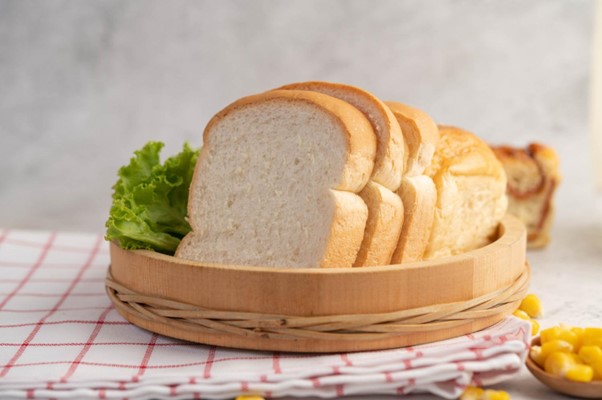
Bread baking temperatures should be adjusted based on the type of bread, as various types of bread have different ingredient compositions and characteristics. High-hydration bread like white bread generally requires a lower temperature so the interior bakes evenly before the crust browns too much. Meanwhile, bread with lower water content, such as a French baguette, needs a higher temperature to achieve a crispy crust.
Here are the ideal temperatures for baking different types of bread:
White Bread: 190°C – 210°C
White bread requires a fairly high temperature to create a crispy crust with a soft interior.
French Baguette: 220°C
A high temperature yields a crispy, golden crust, characteristic of a traditional French baguette. Additionally, the higher temperature promotes a light crumb with irregular air pockets. The intense heat also caramelizes sugars on the surface, enhancing the bread’s flavor.
Sourdough: 230°C
A hotter oven helps produce a thick, crispy crust with a deeper color. The high temperature also ensures good oven spring, enhancing the sharp flavors typical of sourdough.
Whole Wheat Bread: 190°C
Whole wheat bread tends to be denser, needing a slightly lower temperature for even baking without browning the exterior too quickly. This moderate temperature also helps retain moisture, preventing a dry crumb, and allows the whole wheat flavor to develop fully without becoming too bitter.
Sweet Breads (Brioche, Cinnamon Rolls): 175°C
Due to their high sugar and fat content, sweet breads are baked at a lower temperature to prevent quick browning. Baking at a slightly lower temperature helps maintain a soft, buttery texture without drying out or over-caramelizing.

It’s important to note that adjustments in baking temperature and time may be necessary depending on your oven and the results you desire. Experimenting and practice will help you find the ideal balance between crust, texture, and flavor for your chosen type of bread.
In addition to baking temperature, the quality of flour you use is crucial for achieving bakery-quality bread. High-protein wheat flour, such as KANTIL flour from PT Manunggal Perkasa, is an excellent choice. With its high protein content, this flour helps bread rise beautifully while delivering a delicious aroma and flavor.(pj/mkt)
Referensi:
https://buythermopro.com/ideal-temperature-for-baking-homemade-bread
/https://cuisipro.com/blogs/news/the-art-of-baking-bread-temperatures-ovens-and-essential-tools?srsltid=AfmBOookcvRuBIKxWkoW7BNKGt0eXf8IyyaR9ubBrxlGkB7esvUBmbsk