
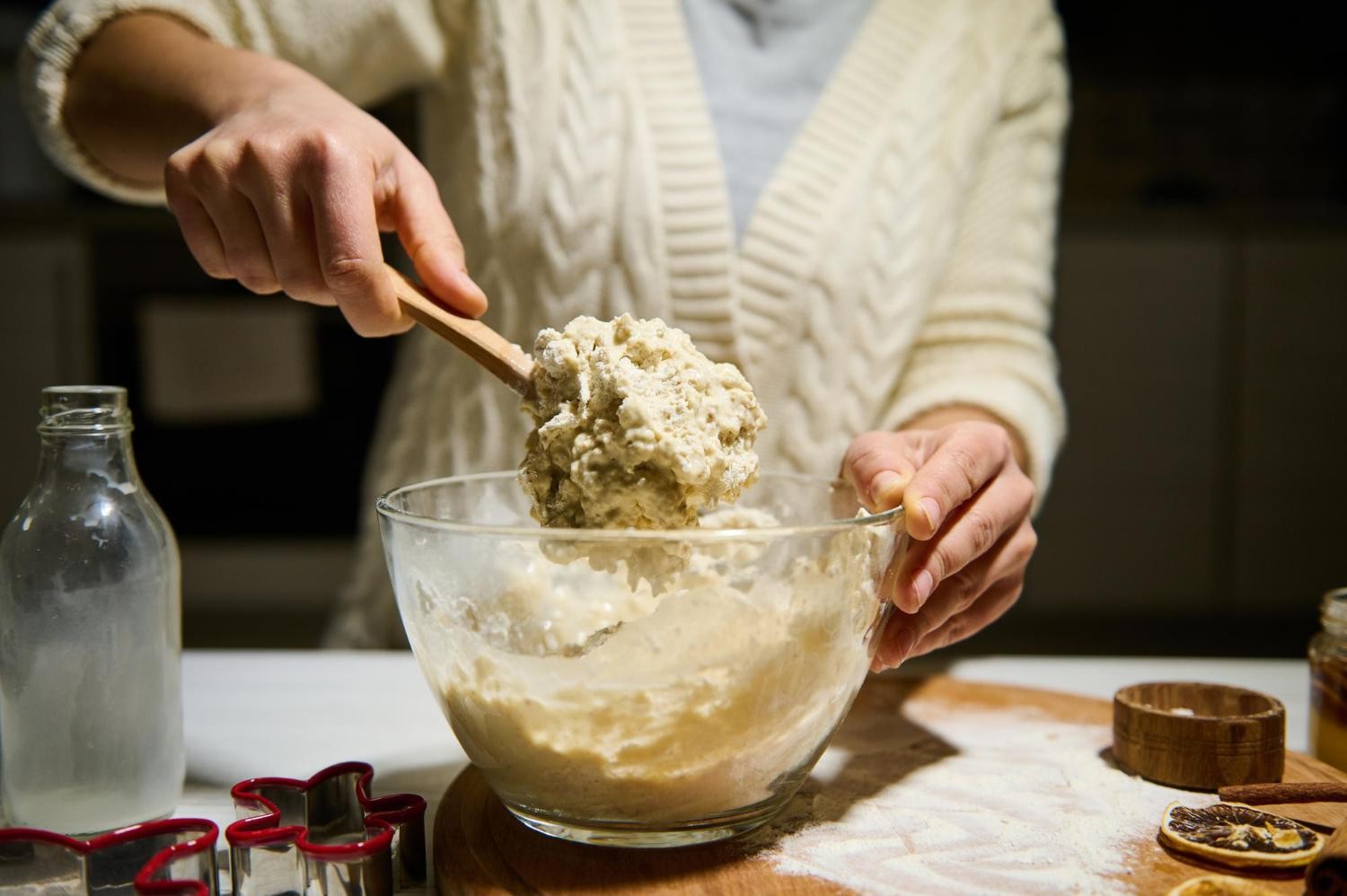
Lumpy flour dough is one of the common problems we experience when cooking or baking. This indicates that there is something wrong with the mixing or stirring process of the ingredients. If not addressed, this lumpy dough can affect the final result of the food, such as a rough texture or not rising perfectly. So how do you solve this problem? Let’s discuss!
Also read: Getting to Know Gluten in Wheat Flour & Its Benefits for the Body
Causes of Lumpy Flour Dough
Lumpy flour dough usually occurs because all the ingredients are not mixed evenly . The causes vary, it could be because the mixing process is too short, the addition of flour is too fast, the ratio of water and flour is not right, or because you did not mix the liquid ingredients first.
In addition to these causes, the quality of wheat flour can also have an effect. Flour that has been stored for too long can clump due to excessive moisture or other factors.
If you let the flour dough clump without doing anything, then the final result of the food you make may not be optimal. For example, if you are making bread, the dough will not rise properly because the gluten that should develop with perfect kneading is not activated. As a result, the bread can become dense and heavy, or may not rise at all, so the texture is hard and less soft. In addition, the appearance of the bread may not be smooth.
Another example, if the flour mixture clumps when making a cake, such as brownies, then the cake can have an uneven texture, be partially raw, or even tend to be flat or cracked.
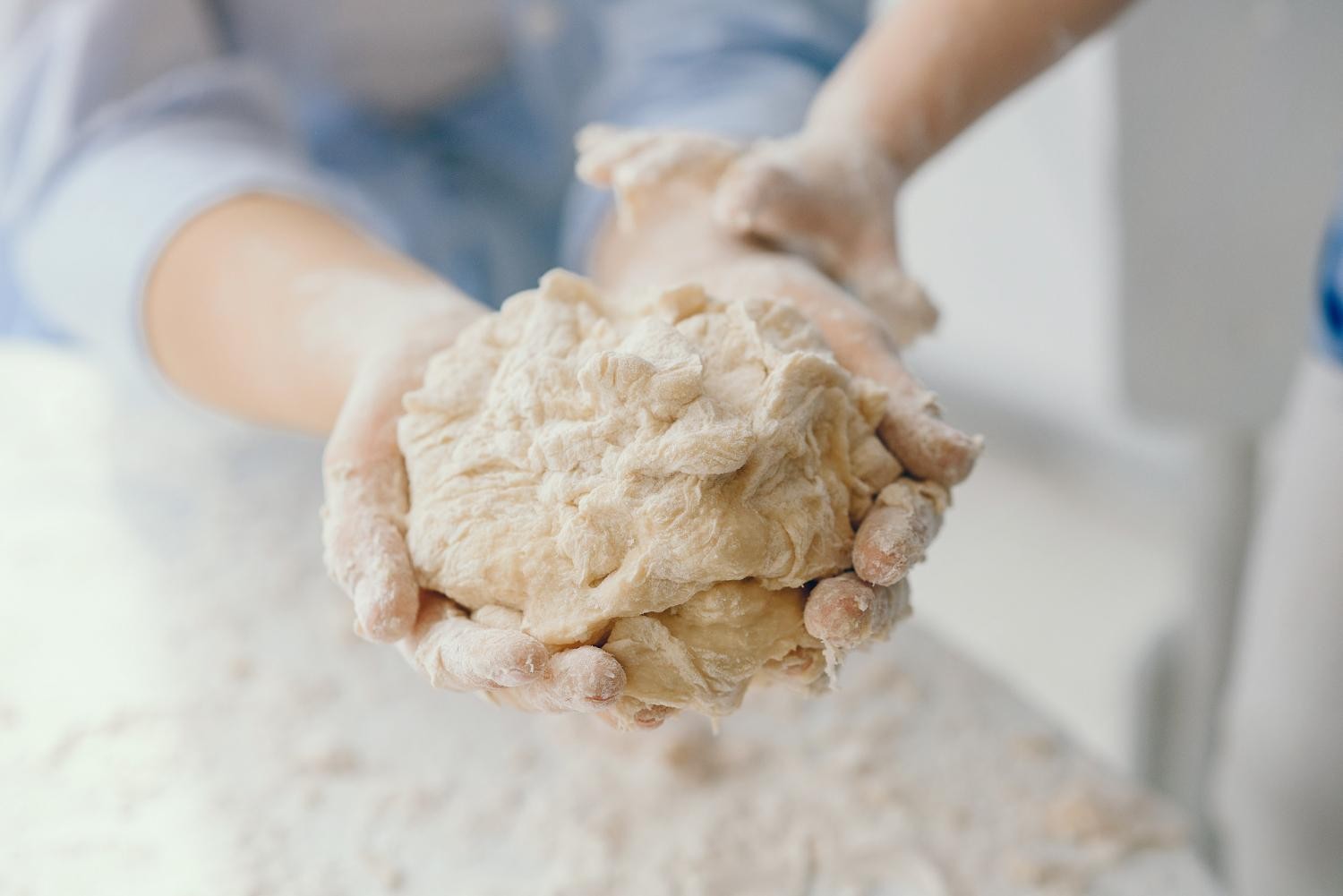
How to Deal with Lumpy Flour Dough
Basically, lumpy flour dough can still be saved, here’s how:
- If you are making bread, mix or knead the dough longer until it becomes elastic and does not form lumps. This process also helps develop the gluten in the flour, so it can rise properly when proofed .
- If the dough feels very dry, add a little water or other liquid a little at a time while kneading. Avoid adding too much liquid at once, as it can make the dough too wet and sticky.
- If necessary, use the autolysis technique. This is quite effective in hydrating the flour evenly. The trick is to mix the flour and water first, then let the dough rest for a few minutes before adding other ingredients. This process helps the flour absorb water better, so the dough becomes smoother.
- Next time, to avoid lumpy dough, make sure to mix all the ingredients properly before you start kneading.
- Use fresh, good quality flour to ensure there are no lumps from the start.
Also read: The Importance of the Mixing Stage in Making Bread
If you often experience problems with lumpy dough, maybe it’s time to try high-quality flour from PT Manunggal Perkasa. Our products have become the choice of many culinary entrepreneurs in Indonesia, and have been proven to produce products that are worthy of sale. One of our flagship brands is KANTIL, a high-protein flour that is very suitable for making bread, and other foods that require a chewy and fluffy texture.