
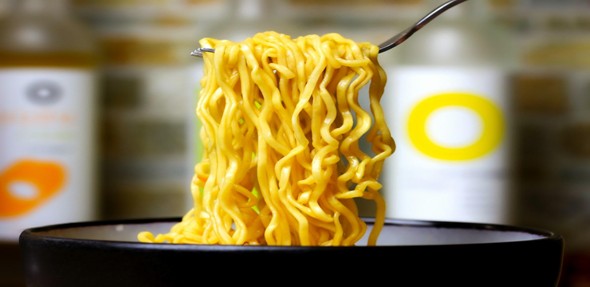
Noodles and pasta are two popular carbohydrate sources. Both are made from flour and commonly have a long shape (such as spaghetti). They are also cooked and served in a similar way—boiled and paired with sauces or seasonings.
However, despite some similarities, noodles and pasta are two different types of food. Each has its own unique characteristics. Let’s explore the differences between noodles and pasta in more detail!
Understanding Noodles and Pasta
Noodles are flour-based food products that originate from Asia, especially China, and have become an essential part of culinary traditions in countries like Japan, Korea, and Indonesia. Noodles are usually made from wheat flour, water, and sometimes eggs. They are shaped into long strands, which are then rolled or cut as needed. In Indonesia, noodles come in various types, such as fresh noodles, egg noodles, and white noodles.
On the other hand, pasta is a traditional food from Italy. It is mainly made from durum wheat flour (semolina) mixed with water or eggs, resulting in a denser and more elastic dough. Pasta comes in many shapes, including spaghetti, penne, fusilli, and farfalle (butterfly-shaped pasta).

Source: Freepik
Differences Between Noodles and Pasta
Now let’s take a closer look at the differences between noodles and pasta:
Origin
Noodles originate from Asia, especially China, while pasta comes from Europe, specifically Italy.
Main Ingredients
Noodles, such as egg noodles, are made with regular wheat flour that gives them a soft and chewy texture. Meanwhile, pasta is made from coarser, high-protein durum wheat flour. It has a firmer, more elastic texture and feels more substantial when bitten.
Nutritional Content
Due to their different ingredients, their nutritional content also differs. Pasta made from durum wheat contains more protein, fiber, B vitamins, and minerals than regular noodles. Additionally, pasta takes longer to digest, keeping you full for a longer time.
Salt Usage
Noodles typically contain salt and sometimes eggs to enhance flavor and bind the dough. In contrast, pasta dough usually doesn’t include salt—it’s added during the cooking process instead.
Production Process
Pasta is made through extrusion, which involves pushing the dough through molds to achieve the desired shape. Noodles, on the other hand, are commonly made using a roll-and-cut method—rolling the dough thin and cutting it into strands.
Texture and Shape
Visually, noodles tend to be long and wavy, with a smooth and slippery texture. Pasta comes in various unique shapes and has a denser, chewier texture—ideal for absorbing sauces. In terms of color, pasta has a golden yellow hue from the durum wheat, while noodles range from pale white to yellow (especially when coloring is added).
Serving Style
In Asian cuisine, noodles are typically served in hot broth or stir-fried, often with chicken, meat, or seafood. Pasta is usually served with sauces, such as tomato sauce, cream, or cheese. However, with the rise of fusion cuisine, both can now be creatively prepared in various ways—for example, pasta cooked with stir-fry noodle seasonings.

Source: Unsplash
The Best Flour Choice for Making Noodles
If you’re in the culinary business, especially noodle production, choosing the right flour is essential to produce noodles that are chewy and don’t easily break when cooked. For this, you can rely on PT Manunggal Perkasa, a flour producer established in 1995.
One of our premium products is Kantil high-protein wheat flour, which is perfect for making noodles. With a gluten content of up to 30%, Kantil flour produces strong, elastic, and long-lasting noodle dough. (pj/mkt)