
Photo by: Unsplash
Making bread requires skill and plenty of practice. The process is quite lengthy, involving mixing ingredients, kneading dough, proofing, shaping, and finally baking. Each of these steps must be done correctly because even minor mistakes can lead to unsatisfactory results. In this article, we will discuss common baking mistakes that can cause bread to fail.
Understanding the Baking Process in Bread Making
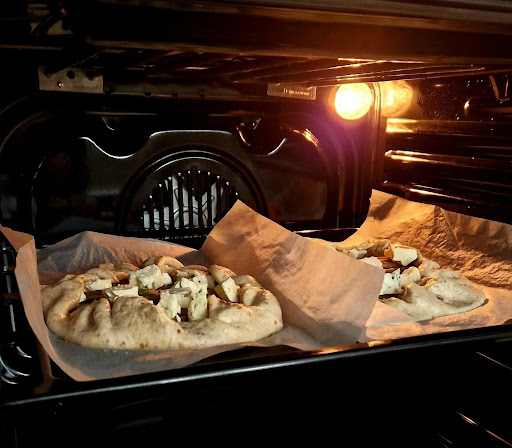
Baking is the process of cooking bread dough using heat from an oven. During this process, the fermented dough undergoes changes in texture and shape due to exposure to high temperatures, usually between 175°C and 220°C, depending on the type of bread being made.
High temperatures help the gases trapped in the dough to expand, making the bread hollow and light. Additionally, the heat in the oven dries the outer layer of the dough and changes its color to golden or brown, forming a crispy crust.
Ultimately, this process transforms the soft dough into fully baked bread with a crispy exterior and a soft interior.
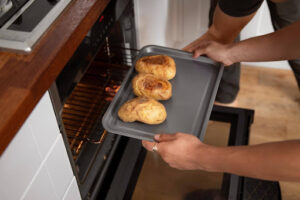
Photo by: Freepik
Common Baking Mistakes to Avoid
Here are several common mistakes that can lead to undesirable bread results:
- Sprinkling Flour on Wet Dough Many bakers often make the mistake of adding flour to a sticky dough. However, this can make the dough dry. As a result, the bread produced will be hard and less fluffy.
Correct Approach: Dough needs moisture to rise properly. Instead of adding flour, brush the dough with milk or spray a little water on top before baking to retain moisture.
- Incorrect Oven Temperature An incorrect oven temperature can cause issues with the bread. A temperature that is too low can result in undercooked bread, while a temperature that is too high can burn the bottom and crust of the bread. Remember that the oven’s internal thermostat may not always be accurate, as it only measures the temperature where the thermometer is located.
Correct Approach: Use an oven thermometer to check the actual oven temperature and bake the bread according to the temperature specified in the recipe.
- Not Preheating the Oven Before Baking If you place the dough in the oven before preheating, the yeast won’t work optimally. As a result, the gas produced by the yeast will be insufficient, causing the dough not to rise well and become dense. Additionally, the characteristic aroma of bread may not develop.
Correct Approach: Preheat the oven first and ensure it reaches the correct temperature before placing the dough inside.
- Removing Bread from the Oven Too Soon When you see that the surface of the bread is browned, you might think it’s done and take it out of the oven. While this isn’t entirely wrong, allowing it to bake a bit longer until the crust is golden brown will activate the Maillard reaction, resulting in richer and tastier bread.
The Maillard reaction is a chemical process that occurs between amino acids (protein components) and sugars when food is heated at high temperatures. This reaction produces the brown color on the food’s surface and creates a more complex aroma and flavor.
Correct Approach: Bake the bread until the crust is golden brown and emits a tempting aroma, or follow the instructions in the recipe.
- Not Cooling the Bread After Baking After baking, bread will still contain some moisture. If you slice the bread while it’s hot, the interior will become sticky.
Correct Approach: Remove the bread from the pan after taking it out of the oven and let it cool on a cooling rack. This cooling process allows moisture inside the bread to settle properly, making it more stable and giving it the right texture.
Photo by: Freepik
In addition to these five mistakes, the choice of flour can also affect the outcome of your bread. Different types of flour have varying protein content, which influences the bread’s elasticity after baking.
Using low-protein flour can result in dense, non-aerated bread. Therefore, for the best results, use high-protein flour. We recommend KANTIL flour, which is trusted by many bakers and proven to produce soft, tender, and delicious bread.
(syo/csb)