
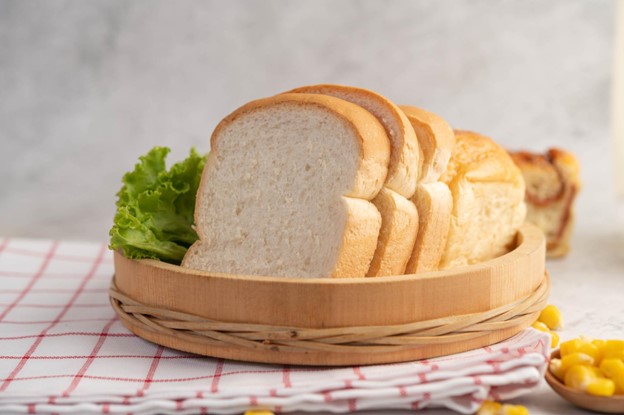
Freshly baked bread typically emits a tempting savory and sweet aroma. However, sometimes bread may have a strong yeasty smell, which indicates something went wrong during the baking process. In this article, we will discuss the causes of yeasty-smelling bread after baking and how to prevent it.
Causes of Yeasty Smell in Bread and How to Address Them
Too Much Yeast
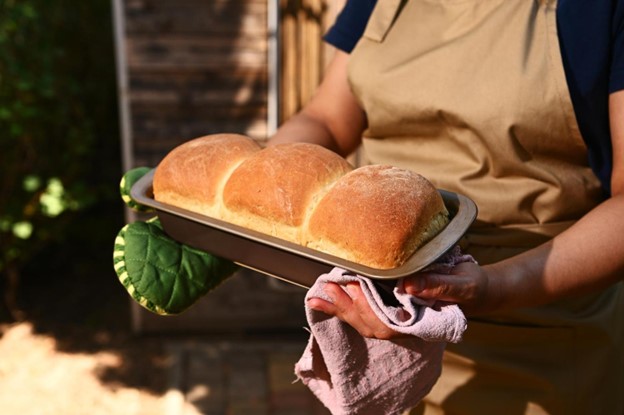
The yeasty aroma naturally comes from yeast itself. In this case, you may have added too much yeast to the dough. Excess yeast becomes overly active and produces more gas in a short period, resulting in a dominant yeast smell. How to Prevent It. Follow the recommended yeast measurement in your recipe. Typically, the amount of yeast used is around 1–2% of the flour’s weight. For instance, if you’re using 1 kg of flour, the yeast amount should be between 10 g and 20 g. Additionally, use a scale to measure the yeast accurately.
Freepik
Overproofing
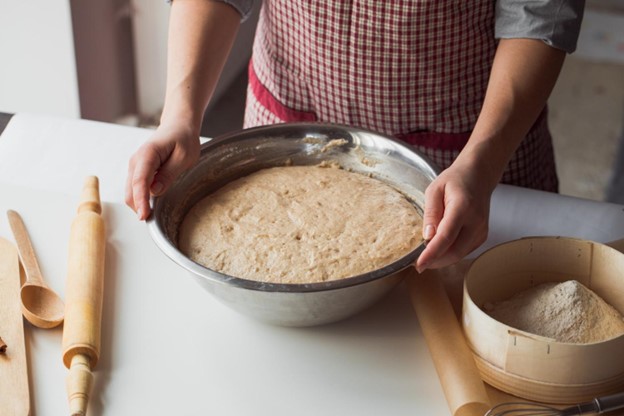
Overproofing occurs when the dough is left to rise for too long. During this process, the yeast continues to produce excessive carbon dioxide and alcohol. The alcohol evaporates during baking, resulting in a strong and unpleasant smell. Besides causing the bread to smell yeasty, overproofing can also give the bread a sour taste. How to Prevent It. Monitor the proofing time carefully and perform the poke test to check if the dough has proofed enough. To do this, gently press the dough with a slightly damp finger. If it springs back within 3 seconds, the dough is ready to bake. If you’re busy and can’t bake the dough immediately, slow down the proofing process by placing the dough in the refrigerator for 30 minutes.
Inactive Yeast
Expired or inactive yeast cannot function effectively, resulting in an incomplete fermentation process and an unpleasant aroma, including a strong yeast smell. Inactive yeast also prevents proper dough rising, making the bread dense and hard. How to Prevent It. Store yeast properly. Once opened, yeast should be kept in an airtight container and stored in the refrigerator or freezer, not at room temperature. Additionally, keep yeast away from salt and soy sauce, as these can dehydrate or deactivate it.
Freepik
By understanding these causes and applying the tips above, you can prevent your bread from smelling yeasty and instead create delicious, aromatic bread that will tantalize your taste buds.
Aside from managing yeast, using high-quality flour plays a significant role in creating bread with perfect aroma and texture. For the best results, choose trusted flour brands like Kantil and Aster from PT Manunggal Perkasa. These flours are ideal for bread that requires soft textures and excellent rise, such as sweet bread, pizza, donuts, and various pastries. (pj/mkt)