
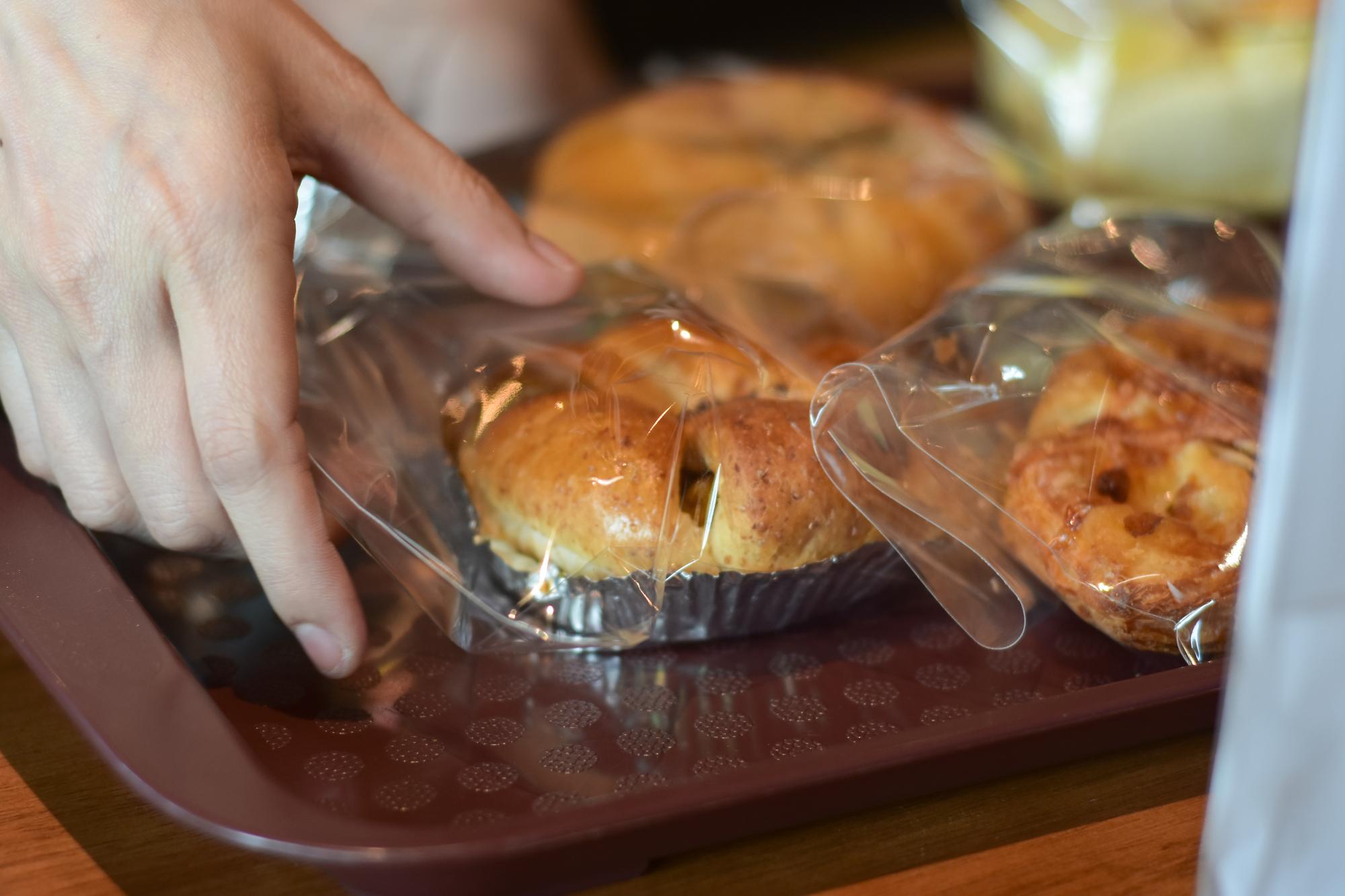
 Image by: freepik
Mold on bread is a common challenge faced by bread sellers. In addition to damaging the business’s reputation, it can also lead to financial losses as the bread will not sell. The solution to this problem is improving bread packaging. Read this article to learn the correct way to pack bread to ensure the quality and freshness of your products.
Also Read: Why Bread Should Not Be Stored in the Refrigerator?
Causes of Bread Mold Growth
One of the main causes of mold growth on bread is moisture. Mold thrives in humid environments. So, if the bread contains moisture or is exposed to humid air, mold will grow and multiply easily. Additionally, the warmth of the bread provides an ideal condition for mold growth. Therefore, packaging warm bread will speed up the spoilage process. Moreover, exposure to air allows mold spores in the air to land on the bread surface and eventually grow and spread.
How to Pack Bread Correctly
Here are the proper ways to pack bread to ensure that your products remain mold-free and fresh for several days:
Use Plastic with Adhesive
Plastic bags are one of the most common packaging options used for bread as they protect the bread from air and moisture exposure. Choose plastic bags made from Oriented Polystyrene (OPP) or Low-Density Polyethylene (LDPE) that come with adhesive! If you are using plain OPP plastic without adhesive, use a sealing machine to close the bag. To do this, fold the top edge of the plastic, then press the fold with the sealing machine. This method ensures the bread is securely sealed, preventing air, moisture, and bacteria that can cause mold from entering.
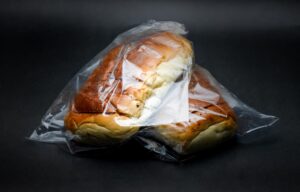 Image by: freepik
Wait for the Bread to Cool Completely Before Packing
One common mistake made by bread sellers is placing the bread into the plastic bag while it is still warm. However, this can actually speed up mold growth. When the bread is hot, steam will be trapped inside the plastic bag, creating moisture that provides an ideal environment for mold to grow. Therefore, even though the steam on the plastic bag might give the impression of freshness and warmth, it’s best to avoid this packing method, or your bread will spoil quickly.
Seal the Packaging After the Bread Has Cooled
After placing the bread into the plastic bag, wait for a while before sealing the bag. Let the bread cool down completely! When closing the bread packaging, make sure the adhesive sticks properly. Do not leave any gaps or open areas in the bag, as entering air will trigger mold growth.
Avoid Using Bare Hands
When packing bread, use gloves or tongs to minimize bacterial or mold contamination. Additionally, wash your hands with soap and running water before and after handling the bread. If using tongs, ensure they are clean and sterilized before use.
 Image by: freepik
By following the above packing tips, your bread will last 3-5 days, even without preservatives.
If you run a bakery business and are looking for high-protein wheat flour for your bread making, Kantil flour from PT Manunggal Perkasa is an excellent choice. This flour is made from the best quality export-grade wheat and is processed in a hygienic manner according to standards. With a protein content of up to 13.5%, you will produce bread that rises well and remains soft.
(wh/pga)