
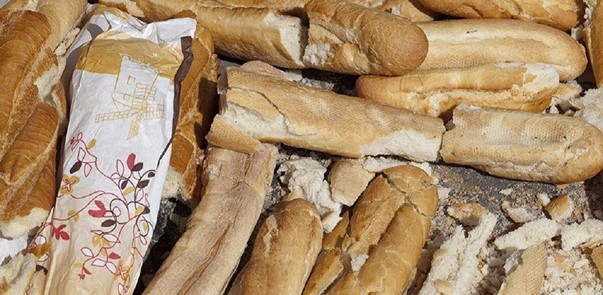
Bread is one of the most popular food products among the public. However, like other food products, there are often leftovers or waste generated during production or after consumption. This bread waste can include leftover dough, unused bread pieces, and unsold or expired products. Instead of discarding them, there are several ways to wisely utilize bread waste while adhering to health regulations to ensure the resulting products remain safe and hygienic.
Here are some steps that can be taken to manage bread waste in accordance with health regulations:
1. Processing Bread Waste into New Products
Unsold or unused bread can still be repurposed into various new food products. Here are some ideas for processing bread waste:
Toasted Bread: Unused bread pieces can be toasted again and used as salad or soup toppings.
Bread Pudding: Leftover bread can be processed into bread pudding by mixing bread pieces with milk, eggs, and other ingredients. After baking, the bread pudding becomes a delicious dessert.
Crumbs for Baking: Barder bread pieces can be crushed and used as a base ingredient for making cookies or biscuits. With a little creativity, bread waste can be transformed into tasty snacks.
However, it is essential to maintain strict hygiene in every bread waste processing step in accordance with the standards set by the local health department.
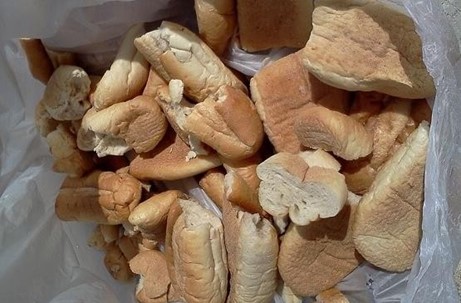
2. Processing Methods that Adhere to Health Standards
To safely utilize bread waste, several aspects must be considered to comply with health department standards:
Kitchen Hygiene: Ensure that the kitchen used for processing bread waste remains clean. All equipment, such as knives, cutting boards, and containers, should be clean and sterile.
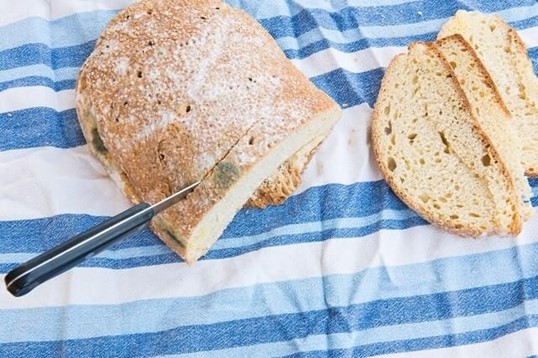
Timely Processing: Expired or unused bread waste must be processed quickly to prevent bacterial or fungal growth that could pose health risks. Additionally, check the expiration dates of other ingredients used in the process.
Safe Storage: If not used immediately, ensure that processed bread waste is stored correctly. Keep it in an airtight container in a cool place and ensure it remains suitable for consumption.
Quality Control: Strict quality control of the final product is essential. Every product derived from bread waste must meet the food safety standards set by the health department.
3. Using Bread Waste as Animal Feed
Besides being processed into food products, bread waste that is still in good condition can also be used as animal feed, especially for livestock like chickens or cows. However, using bread waste as animal feed must follow specific procedures to ensure it does not harm the health of animals and humans, such as:
Supervised Feeding: Bread waste used as feed should be given in reasonable amounts to avoid disrupting the livestock’s diet.
Bread Quality: Ensure that the bread waste used does not contain harmful additives or preservatives that could endanger animal health.
4. Educating Consumers on Processing Bread Waste
In addition to processing at the industrial or household level, it is also important to educate consumers on how to utilize leftover bread at home. This education can include information on turning leftover bread into new, safe, and appealing dishes, such as bread pudding or toasted bread. This not only reduces food waste but also raises awareness of the importance of maximizing resource utilization.
5. Government Policies and Related Regulations
To ensure that bread waste processing is conducted in compliance with health regulations, it is essential to follow policies and regulations set by the government or local health authorities. These regulations include guidelines on food safety, sanitation, and food waste processing procedures. If you plan to process and sell products made from bread waste, ensure that you obtain the necessary permits or certifications.
Utilizing bread waste not only helps reduce food waste but also creates new business opportunities when done correctly and in accordance with health regulations. It is crucial to always maintain hygiene, quality, and safety in the products produced, as well as follow the standards set by authorities. With the right steps, bread waste can be transformed into useful, safe, and profitable products. By adhering to proper procedures and complying with health regulations, bread waste can be utilized efficiently and sustainably.(pj/mkt)