
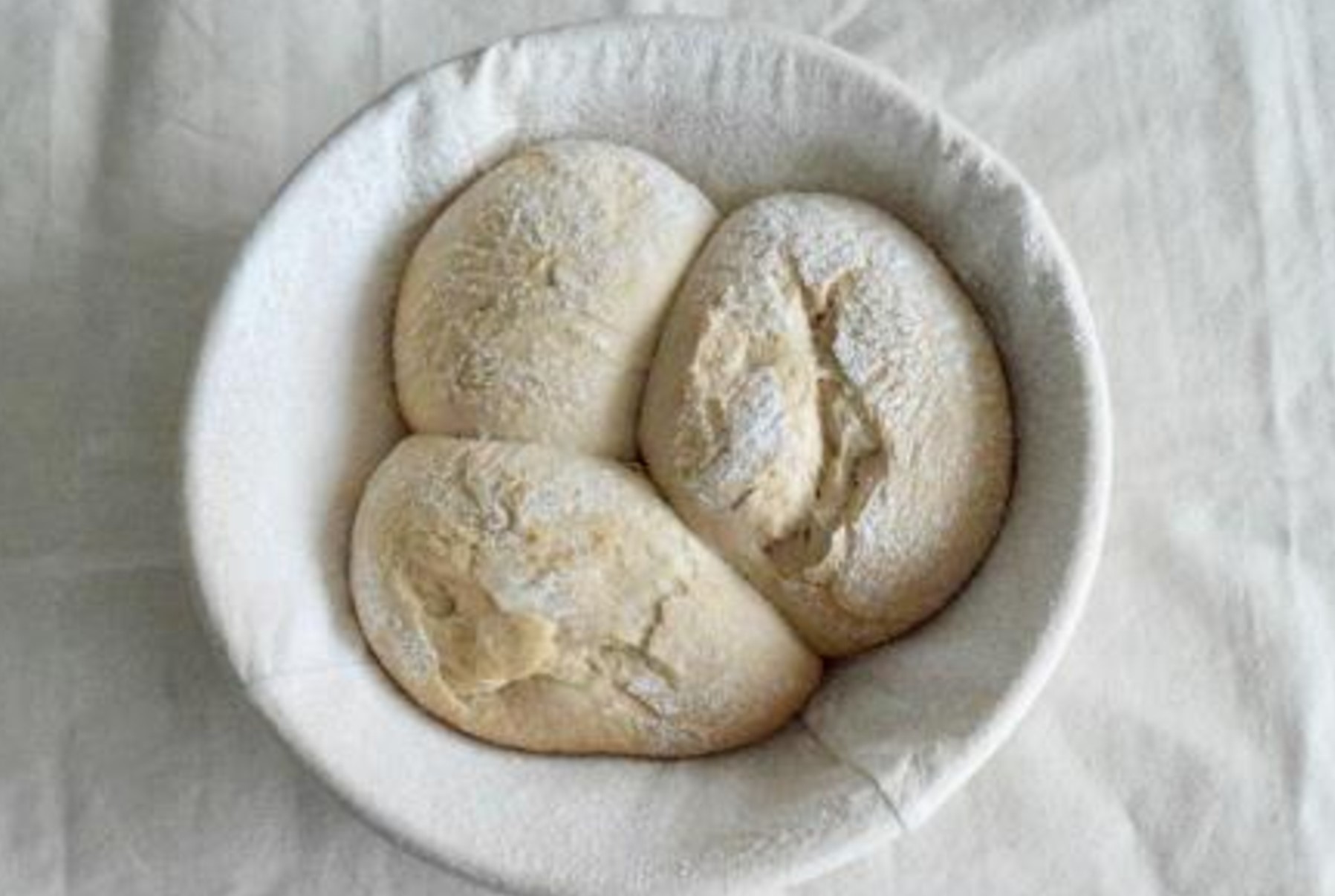
In bread making, there are two crucial stages that must not be overlooked: the first proofing and the second proofing. Although both involve fermentation processes, each serves a distinct purpose.
The first proofing is done after all the ingredients are mixed, and the dough becomes smooth and elastic, while the second proofing is performed after the dough is shaped, before entering the baking stage. Let’s further discuss the differences between the first and second proofing in bread making!
First Proofing (Bulk Fermentation)
The first proofing, also known as bulk fermentation, occurs immediately after all ingredients are mixed and the dough becomes smooth and elastic. During this period, the yeast becomes active, producing essential elements for creating delicious bread: carbon dioxide for lightness and expansion, organic acids and other compounds for distinctive flavors, and gluten development for strength and elasticity in the dough.
Skipping the first proofing stage results in underdeveloped gluten networks, leading to dense, bland dough rather than light, airy, and flavorful bread. The duration of this stage typically ranges from 10 to 30 minutes, depending on the ambient temperature where the dough is kept.
Once the dough completes the first proofing stage, it is ready to be shaped. Each portion of dough is shaped according to the desired size and form of the bread, then placed on baking trays lined with parchment paper or greased with margarine. After shaping all the dough portions, it’s time for the second proofing stage.
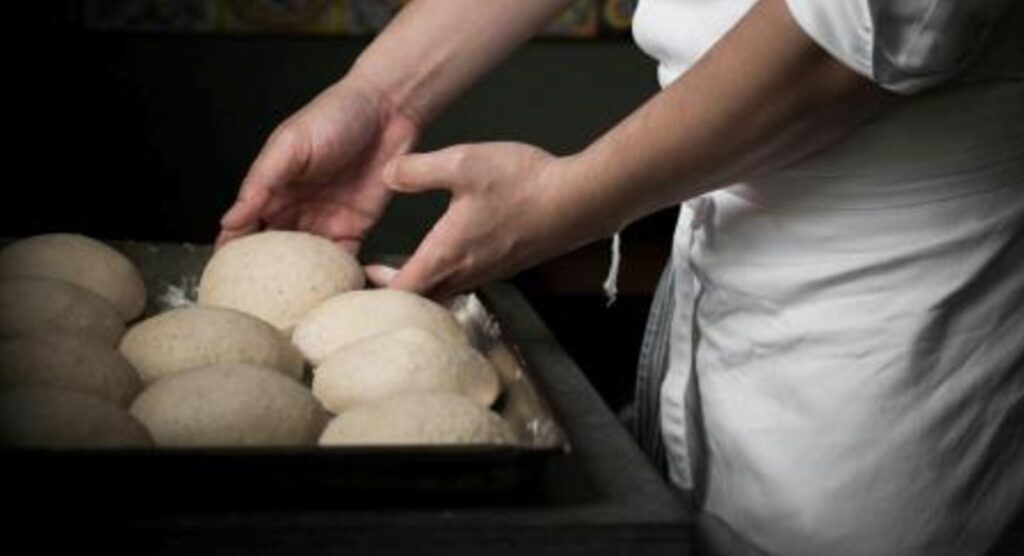
Foto: Unsplash
Second Proofing (Final Proofing)
The second proofing, also known as final proofing, aims to further expand the bread and make it lighter, while helping to form a better bread structure. During this stage, the shaped dough is allowed to proof again, enabling the yeast to continue producing gases that expand the dough.
Additionally, the final proofing helps to improve the gluten structure in the dough. Strong and elastic gluten allows the bread to better retain the gases produced by the yeast, resulting in a soft and airy texture.
To begin the second proofing, cover the shaped dough with a damp cloth or plastic wrap to maintain surface moisture and prevent the dough from drying out. The dough is then left to proof at room temperature or in a warm, draft-free place.
The duration of the second proofing varies depending on factors such as temperature and humidity, but typically lasts from 1 to 2 hours. Signs that the dough has adequately proofed and is ready for baking include nearly doubling in size and when gently pressed with a finger, the dough slowly springs back to its original shape.
(Embed video YouTube, link: https://youtu.be/KVYXdRDG9ZA?si=MF5A6rTjV98Vr9ky)
To achieve perfect proofing results, using high-quality wheat flour is crucial. PT Manunggal Perkasa, a leading wheat flour producer, provides flour made from selected wheat grains imported from various countries. One of the wheat flour brands produced by PT Manunggal Perkasa is Kantil, which contains high protein, ensuring that the bread dough rises well and has a soft and elastic texture. (pj/mkt)