
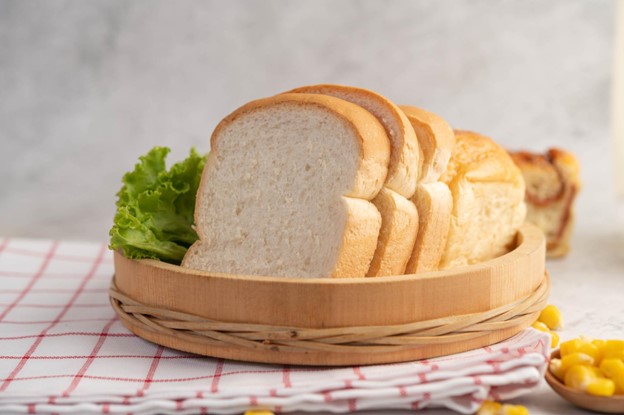
Have you ever wondered why bread sold at bakeries feels softer and fluffier? The secret lies in an important additive called bread softener. Read this article to learn more about what bread softener is and its functions!
What is Bread Softener ?
Bread softener is an additive used in bread making to produce a softer, chewier, and longer-lasting texture. When mixed into the dough, this ingredient interacts with the proteins in wheat flour, modifying the gluten structure to make it more elastic and result in a soft yet sturdy texture.
In addition, bread softener acts as an emulsifier, helping to combine ingredients that are otherwise difficult to mix, such as fats and water. Some types of bread softeners can even influence yeast activity, speeding up the fermentation process.
As for its composition, bread softener typically consists of a mixture of wheat flour, plant-based emulsifiers, enzymes, and flour treatments. It is safe to use and consume. Bread softener is only used in small amounts, approximately 0.5% of the wheat flour weight. For instance, for 1 kg of flour, you only need 5 grams of bread softener.
Interestingly, this ingredient is easily available in baking supply stores, so home bakers can easily create bakery-like soft bread.

What is the Function of Bread Softener in Bread Making ?
Let’s look at some of the benefits of adding bread softener to your dough!
Softening Bread
Bread softener helps retain moisture in the bread and prevents it from drying out quickly after baking. As a result, the bread stays soft and fresh for longer, even after being stored for a few days.
Increasing Bread Volume and Structure
The emulsifiers in bread softener strengthen the gluten, enabling it to hold more gas during the proofing process. This results in bread that rises better, has a larger volume, and boasts a great crumb structure.
Slowing Down the Staling Process
Staling is the process where bread becomes hard, dry, and loses its softness after baking. It is caused by starch retrogradation, where melted starch during baking recrystallizes, making the bread harder. The enzymes in bread softener can slow down this crystallization process.
Extending Shelf Life
By inhibiting starch crystallization and retaining moisture, bread softener helps bread stay soft and fresh longer, even without additional preservatives.
However, it’s important to note that bread softener is not the only factor affecting the softness and shelf life of bread. Other factors, such as storage methods and the type of flour used, also play a crucial role.
That’s why we always recommend using high-quality flour from trusted producers. One reliable brand for bread making is Kantil and Aster from PT Manunggal Perkasa. These flours contain high protein levels (12%-13.5%), allowing for elastic dough that retains gas effectively during proofing and baking. The result is soft and sturdy bread.
Additionally, PT Manunggal Perkasa regularly conducts cooking demos and training sessions, providing valuable knowledge to help grow your business. (pj/mkt)