
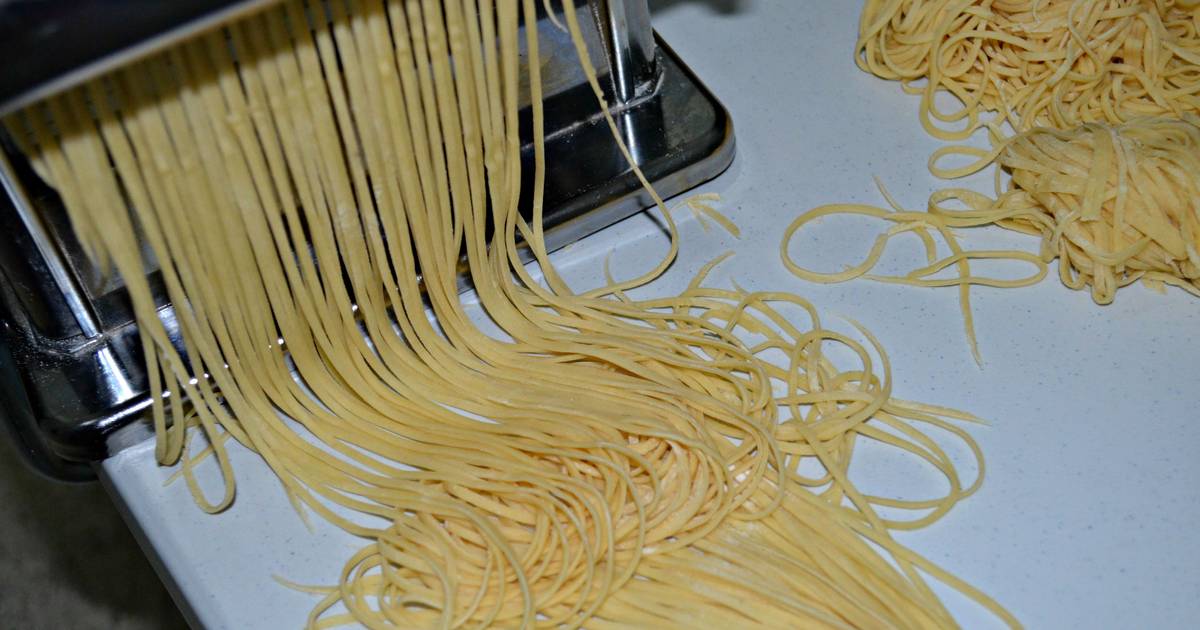
Wheat flour is an essential ingredient that cannot be separated from the process of making noodles. It provides the structure, texture, and chewiness that we enjoy in noodles. In noodle making, choosing the right type of wheat flour and following proper processing techniques greatly influences the final quality of the noodles. This article will discuss in detail the role of wheat flour in noodle making, including tips and tricks to achieve the perfect noodles.
1. Types of Wheat Flour Used
Wheat flour is categorized based on its protein or gluten content, which significantly affects the quality of the noodles produced.
Medium-Gluten Wheat Flour (All-Purpose Flour):
This flour contains around 10–11% protein. It is commonly used in noodle making as it provides a chewy and elastic texture. Noodles made from medium-gluten flour have good elasticity without being too tough.
High-Gluten Wheat Flour (Bread Flour):
With a protein content of 11–13%, high-gluten flour produces chewier and more durable noodles. This type of noodle holds its texture well, making it ideal for noodles that will be boiled or served in hot broth.
Low-Gluten Wheat Flour (Cake or Pastry Flour):
Typically used for pastries and cakes, this flour has a low protein content. If used for noodles, it can result in a mushy texture that lacks elasticity. Therefore, low-gluten flour is not recommended for noodle making.
For noodles, medium to high-gluten flour is the best option. These types offer the perfect balance of chewiness and elasticity, ensuring the noodles hold their shape and texture after cooking.
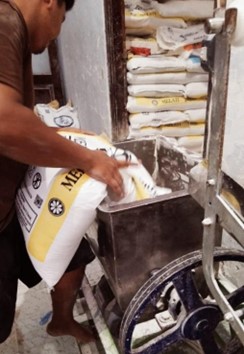
2. The Role of Gluten in Noodles
Gluten is the protein that forms when wheat flour is mixed with water and kneaded. It is responsible for the structure and chewiness of the noodle dough.
Chewiness:
Well-developed gluten provides noodles with a springy and chewy texture. Proper kneading forms a gluten network that strengthens the dough, preventing it from breaking apart during cooking.
Elasticity:
Gluten gives the dough elasticity, allowing it to be stretched or rolled without tearing. This is why kneading is such a crucial step in noodle making.
3. Wheat Flour Processing for Noodle Making
Besides choosing the right flour, proper processing techniques are essential for creating high-quality noodles. Here are the key steps:
Mixing Flour and Water:
Wheat flour is mixed with water to form the dough. This process should be done gradually to avoid clumping and ensure even hydration. Adjust the amount of water according to the flour type used.
Kneading:
After mixing, the dough is kneaded to develop gluten. Proper kneading results in a smooth, elastic dough. The kneading time typically ranges from 10 to 15 minutes, depending on the desired noodle texture.
Resting the Dough:
After kneading, the dough should rest to allow the gluten to relax and develop further. This makes it easier to roll and cut. Rest the dough for about 30 minutes to 1 hour.
Rolling and Cutting:
Once the dough has rested, it is rolled out to the desired thickness and cut into noodle shapes. This can be done by hand or with a noodle-making machine.
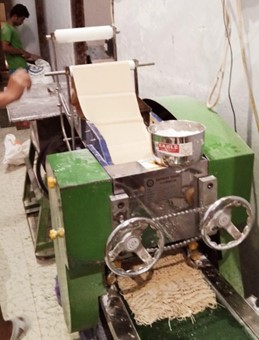
4. Tips and Tricks for Perfect Noodles
Use Cold Water:
Cold water helps in better gluten formation. Using hot water can damage the gluten structure.
Add Eggs:
Some noodle recipes include eggs, which add richness, improve chewiness, and give noodles a distinct yellow color.
Add a Bit of Oil:
A small amount of oil in the dough prevents the noodles from becoming too sticky and helps maintain a smooth, elastic texture.
Hand Kneading:
Although a noodle machine can speed up the process, kneading by hand gives better control over the dough’s texture, allowing adjustments as needed.
Let the Dough Rest:
Don’t rush the process. Resting the dough allows the gluten to develop fully, making the dough easier to roll and cut.
Boil in Plenty of Water:
When cooking noodles, use plenty of boiling water to prevent sticking and ensure even cooking.
Don’t Overcook:
Fresh noodles cook faster than dried ones. Boil for 2–3 minutes or until the noodles are cooked through but still chewy.
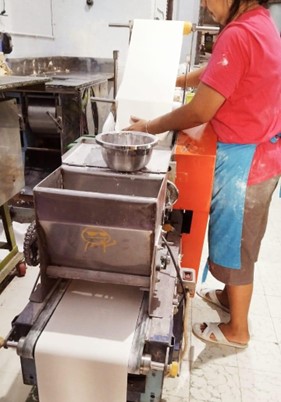
5. Common Mistakes to Avoid
Adding Too Much Water:
Overhydrating the dough can make the noodles too soft and lacking in chewiness. Always add water gradually.
Insufficient Kneading:
Poorly kneaded dough results in fragile, non-elastic noodles. Make sure to knead until the dough becomes smooth and elastic.
Skipping the Resting Time:
Not allowing the dough to rest makes it harder to roll and cut. Always rest the dough for at least 30 minutes.
6. Choosing the Right Wheat Flour Brand
Wheat flour is the foundation of good noodles. Selecting flour with the appropriate protein content and following proper dough processing techniques are crucial for high-quality noodles.
PT Manunggal Perkasa offers several wheat flour variants suitable for making delicious, chewy noodles, including Kantil, Melati, and Soka. Using these flours ensures your noodles have the desired texture—chewy, elastic, and flavorful. Remember, patience and attention to detail at every step are key to crafting the perfect noodles!.(pj/mkt)