
A soft, perfectly risen bread is every baker’s dream. Unfortunately, despite following a recipe, some people still end up with dense bread. If you experience this, the issue might lie in the mixing process.
Mixing is the process of combining ingredients such as flour, water, yeast, and others into a homogeneous and elastic dough. The goal is to develop the gluten and activate the yeast so the bread can rise well.
Proper mixing will produce dough that is smooth, elastic, and not sticky, making it easier to handle in subsequent stages like rounding and proofing. Conversely, mixing mistakes can lead to hard dough and result in dense bread.
Common Mixing Mistakes
Here are some common mistakes people make when mixing bread dough, including overmixing, undermixing, and incorrect temperature and measurements. Let’s discuss them one by one!
Overmixing
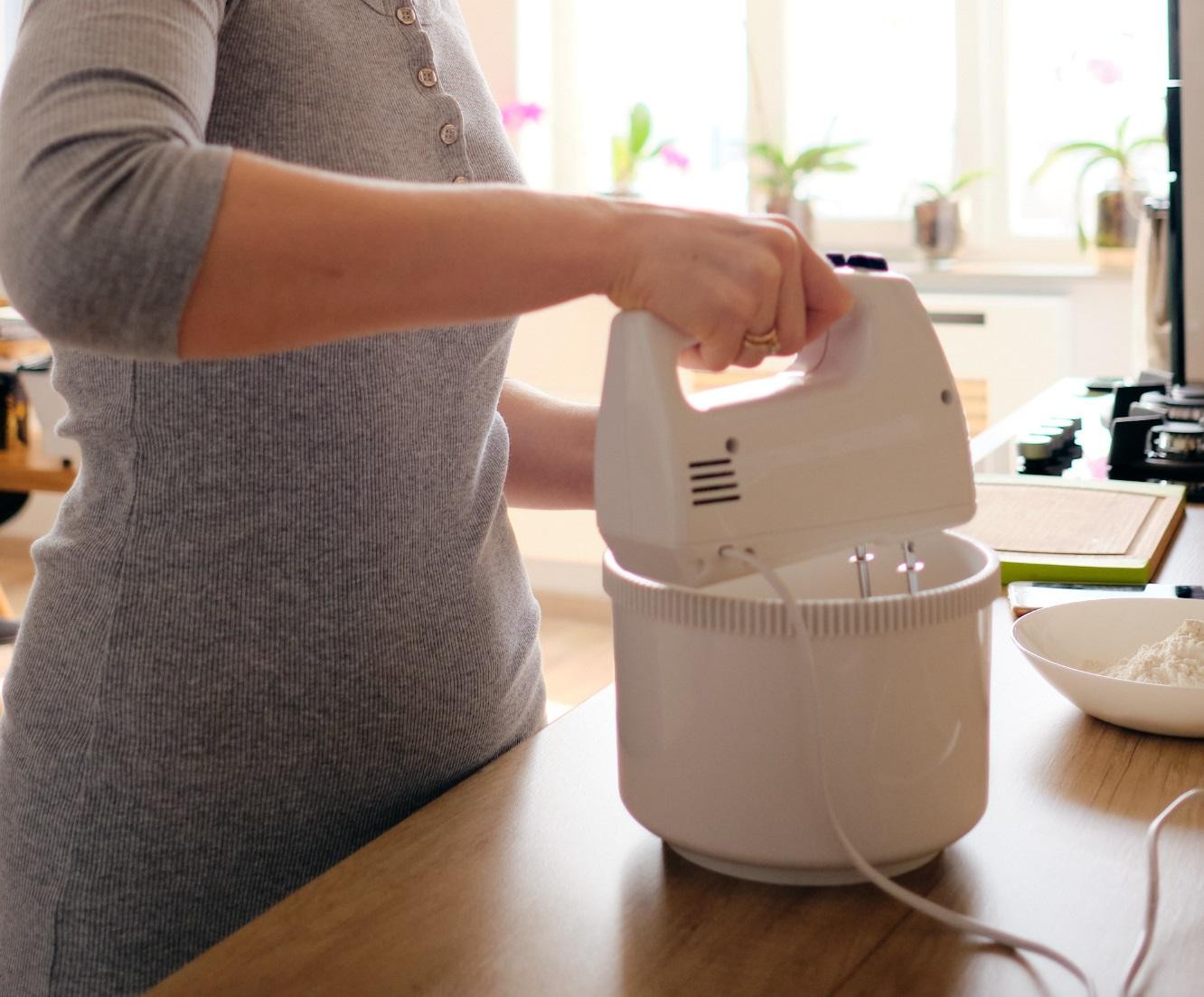
Overmixing means stirring the dough for too long. This mistake commonly occurs when using a stand mixer. Overmixing can damage the gluten structure in the dough, making it unable to stretch properly and prone to tearing. As a result, the bread will not rise well.
Solution: Stop mixing as soon as the dough reaches a smooth and elastic consistency. Pay attention to the recommended time and speed in the recipe.
Undermixing
Undermixing, or mixing too little, is the opposite of overmixing. If the dough isn’t mixed long enough, the gluten won’t develop well, making the dough less elastic. Eventually, the bread will not rise as expected and will have a hard texture.
Solution: Ensure the dough is mixed until all ingredients are evenly incorporated and the dough is smooth and elastic, or doesn’t tear when stretched.
 Photo by: Pexels
Incorrect Temperature
Incorrect temperature can affect the yeast, hindering the fermentation process. Too hot, and the yeast can be killed, while too cold and it won’t work optimally, causing the bread to not rise.
Solution: Use warm (not hot) water to mix with the yeast. If the recipe calls for cold milk or water, you can follow that if you’re using a mixer. The cold water helps balance the heat generated by the mixing tool.
Incorrect Measurements
Mistakes in measuring ingredients, especially flour and water, can also affect the dough’s texture. Dough that is too dry or too wet can be difficult to shape and result in unsatisfactory bread.
Solution: Avoid guessing measurements! Use a kitchen scale to weigh each ingredient and follow the recipe’s measurements precisely.
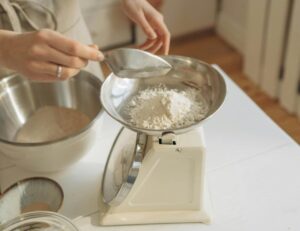 Photo by: Pexels
By following the solutions provided in this article, you can avoid common mixing mistakes and produce bread that is soft, well-risen, and delicious.
In addition to proper mixing, using high-quality ingredients is also important to achieve your desired results. For flour, we recommend using Kantil brand, produced by PT Manunggal Perkasa. Our product is trusted by many bread makers due to its high gluten content of 13%, which ensures elastic and smooth dough, resulting in non-dense bread.
Reference:
https://www.bobsredmill.com/blog/healthy-living/can-you-over-knead-bread/#:~:text=The%20 overworked%20dough%20will%20often,form%20into%20a%20ball%20shape.
(wh/pga)